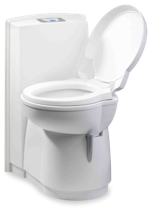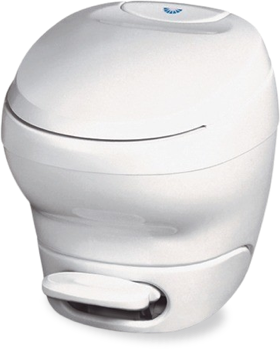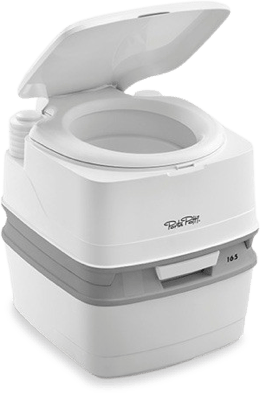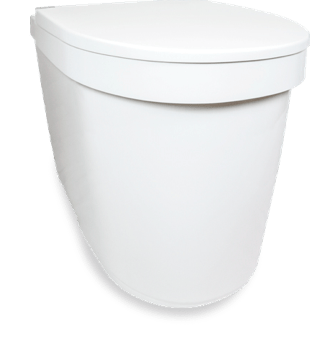
Our top quality range of Recreational Permanent and Portable Toilets give every explorer the freedom to discover the great outdoors by land and sea.
We’ve been taking care of the business of portable sanitation since 1973.
We supply New Zealand’s leading RV Manufacturers and Outdoors Retailers with the world’s best portable toilets and permanent toilets, the #1 choice for portable sanitation in motorhomes, caravans, buses and boats.
Buy the Separett Tiny Dehydrating Toilet and receive a second container FREE.
Limited stock available.
Stock up with Lewis Gray’s trusted toilet care range and get a complimentary 500ml bottle for on-the-go use.
Searching for a specific component to get back on the road? We stock a wide range of rare and hard-to-find toilet parts that others don’t. From seals to full mechanisms, Lewis Gray delivers the gear you need anywhere in New Zealand.
Your Trusted NZ Source for RV Toilets, Portable Sanitation & Toilet Care
Lewis Gray is New Zealand’s go-to destination for high-quality RV toilets, cassette toilets, portable camping toilets, permanent sanitation systems, and waterless composting toilets. We stock a full range of toilet care products, including waste tank chemicals, flush fluids, and cleaning supplies to keep your system running smoothly.
Whether you’re outfitting a campervan, motorhome, caravan, or off-grid cabin, our expert team is here to help you stay clean, comfortable, and ready for your next adventure.
Find answers to common questions about RV toilets, portable toilets, cassette systems, waterless toilets, and toilet care products. Lewis Gray’s FAQ covers everything you need to keep your system running smoothly, whether you’re on the road, on the water, or off-grid.
Lewis Gray specialises in recreational toilet solutions for RVs, campervans, caravans, buses, boats, yachts, and off-grid use. We supply a wide range of portable toilets, cassette toilets, permanent toilets, waterless toilets, toilet care products, cassette tanks, service doors, and spare parts.
Lewis Gray has been supplying recreational toilet products since 1973 and is one of New Zealand’s most established specialists in portable and permanent sanitation.
Our range includes:
Our products are suited to people using:
No. In addition to toilets, we also supply toilet care products, service doors, cassette tanks, and a wide range of replacement parts and accessories.
Lewis Gray supplies through a network of retailers, service agents, and manufacturers across New Zealand. If you’re looking for a product near you, head to our Where to Buy page.
You can purchase Lewis Gray products through our authorised stockists and partners across New Zealand. Visit Where to Buy to find your nearest supplier.
Yes. Lewis Gray products are supplied throughout New Zealand via our dealer and retail network.
That depends on your setup, available space, and how you travel.
If you’re unsure, our team or one of our stockists can help point you in the right direction.
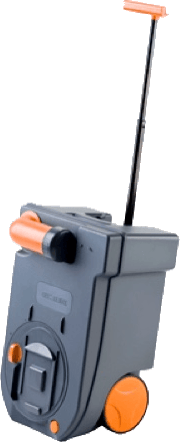
A portable toilet is a self-contained unit that can be moved and emptied manually.
A cassette toilet is usually installed into a vehicle or bathroom space and includes a removable waste cassette that can be accessed from outside through a service door.
A permanent toilet is a more fixed toilet solution designed to be installed into a recreational vehicle or marine setting. These are typically better suited to larger, more established fit-outs.
A waterless toilet operates without a conventional flushing system. These are often chosen for off-grid cabins, remote locations, marine use, and eco-conscious setups where water use needs to be minimised.
In many off-grid situations, a waterless toilet is the best option because it does not rely on a conventional water supply. The right model will depend on your space, ventilation options, and intended usage.
Marine toilet requirements can vary depending on the vessel, available space, and installation requirements. We offer toilet solutions suitable for boats and yachts, and it’s important to choose a model designed for the marine environment.
You’ll need to consider:
If you’re replacing an existing model, it’s helpful to have the current model details and dimensions on hand.
A portable toilet is a compact, self-contained toilet with separate fresh water and waste tanks. It is designed for convenience, easy transport, and simple emptying.
Yes. Portable toilets are a popular option for camping, road trips, boating, and temporary outdoor use because they are easy to transport and do not require permanent installation.
No. Portable toilets are self-contained and do not require fixed plumbing.
Portable toilets are emptied by removing the waste tank and disposing of the contents at an approved dump station or disposal point. Always follow the product instructions and local disposal regulations.
That depends on:
Smaller tanks will need emptying more often, while larger models can go longer between empties.
When used correctly and maintained with the right toilet care products, portable toilets are designed to minimise odour. Regular emptying, cleaning, and correct chemical use all help keep the toilet fresh.
We recommend using toilet care products designed specifically for recreational toilets. Some household cleaners can damage seals, plastics, or toilet components.
A cassette toilet is a built-in toilet that uses a removable waste holding tank, often accessed through an external service door. These are common in motorhomes and caravans.
Cassette toilets are popular because they:
The cassette is removed through the access point or service door and emptied at an approved dump station. Always follow the model’s instructions for safe and hygienic emptying.
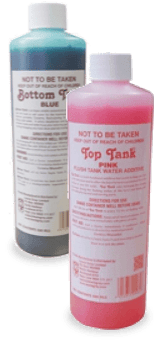
Most cassette toilet systems perform best when used with the appropriate top tank and bottom tank toilet care products. These help manage odour, waste breakdown, and cleanliness.
In many cases, yes. We supply cassette tanks and replacement parts for a range of recreational toilet systems. Availability depends on the model.
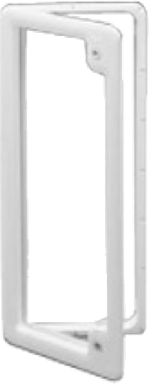
An RV service door provides access to the rear of a built-in toilet system, including the cassette tank in many setups. It allows easier servicing, inspection, and waste tank removal.
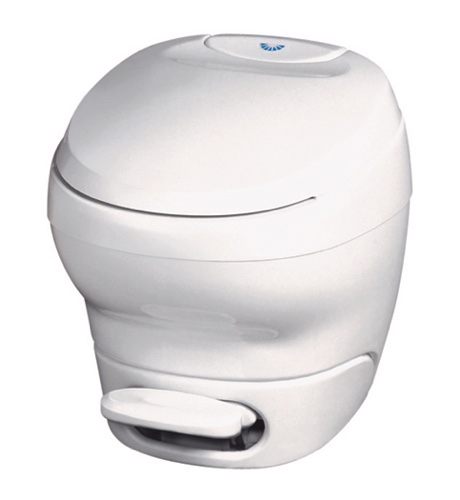
A permanent recreational toilet is a more fixed toilet system designed to stay installed in place within an RV, caravan, or marine environment.
Yes. Permanent toilets are commonly used in motorhomes, caravans, buses, and some marine applications where a more established bathroom setup is preferred.
In many cases, yes, but it depends on:
It’s best to compare dimensions and installation requirements before purchasing.
Waterless toilets are ideal when:
Some do, and some do not. Power requirements vary by model. Always check the individual product specifications before purchase or installation.
When installed and maintained correctly, waterless toilets are designed to operate with minimal odour. Proper ventilation, correct use, and routine maintenance are important.
Yes. Waterless toilets are a popular option for cabins, tiny homes, remote buildings, and off-grid living where traditional plumbing is limited or unavailable.
Many waterless toilet systems do require ventilation for proper performance. Venting requirements vary between models, so always refer to the product instructions.
Some installations may be straightforward, while others require more planning around ventilation, mounting, and local compliance. Always follow the installation instructions for the specific product and check whether any local approvals are required.
Toilet care products help:
Using the right care products helps your toilet perform better and last longer.
Generally:
Always use products according to the label directions.
It is best to use toilet paper that is suitable for recreational or portable toilet systems where recommended. This can help improve breakdown and reduce the risk of blockages.
The cleaning frequency depends on how often the toilet is used. As a general rule, regular cleaning after emptying, along with routine use of appropriate care products, helps keep the system in good condition.
The cleaning frequency depends on how often the toilet is used. As a general rule, regular cleaning after emptying, along with routine use of appropriate care products, helps keep the system in good condition.
Yes. Lewis Gray stocks a wide range of toilet parts, seals, mechanisms, cassettes, and hard-to-find components for recreational toilets.
Yes. Helping customers locate rare and hard-to-find toilet parts is one of our specialties. If you know the model number, brand, or part description, that will help speed things up.
Common replacement items include:
The easiest way is to provide:
Yes. We supply RV service doors and related accessories for suitable recreational toilet systems.
Often yes. In many cases, replacing a worn seal, valve, mechanism, or cassette can restore the toilet without needing a full replacement.
Yes. Installation requirements vary by model and supplier, so always follow the instructions supplied with the product.
Some products are simple to set up, while others are more technical and may require an experienced installer. This depends on the type of toilet and whether plumbing, ventilation, or electrical components are involved.
Permit or approval requirements can vary depending on the product type, where it is being installed, and local council or regulatory requirements. If your installation involves building work, plumbing, wastewater management, or off-grid systems, it’s best to check with your local authority.
No. Ventilation requirements depend on the toilet type. Some portable models are fully self-contained, while many permanent or waterless systems require ventilation for correct operation.
Sometimes, but not always. Compatibility depends on the model, dimensions, and installation design. It’s important to check fitment before purchase.
Lewis Gray can assist with product support and help direct customers to the appropriate retailer, service agent, or replacement parts solution depending on the product and issue.
First, check the product instructions and confirm the model. Then contact the place of purchase or get in touch with the relevant service contact. Having photos, model information, and a description of the issue will help.